


 Send Inquiry
Cytosine Arabinoside Injection
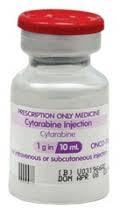

Cytosine Arabinoside Injection Specification
- Indication
- Used in the treatment of certain cancers, particularly leukemia
- Dosage Form
- Injection
- Salt Composition
- Cytosine Arabinoside (Cytarabine)
- Origin
- Pharmaceutical Grade
- Ingredients
- Cytarabine, Water for Injection, buffering agents
- Application
- Physical Color/Texture
- Clear, colorless solution
- Fermentation Smell
- Odorless
- Shelf Life
- 24 months from date of manufacture
- Avoid Freezing
- Do not freeze
- USP Compliance
- Meets official compendial standards
- Packaging Type
- Glass vial, sealed under aseptic conditions
- Dilution
- If required, dilute with compatible infusion solutions
- Strength
- 100 mg/ml or as specified on the vial
- Route of Administration
- Intravenous (IV) or subcutaneous
- Latex Free
- Yes
- Microbiological Testing
- Sterility and endotoxin tested
Cytosine Arabinoside Injection Trade Information
- Supply Ability
- 1000 Pieces Per Week
- Delivery Time
- 1 Week
Cytosine Arabinoside Injection About
Cytosin arabinoside
Cytarabine, or cytosine arabinoside, is a chemotherapy agent used mainly in the treatment of cancers of white blood cells such as acute myeloid leukemia (AML) and non-Hodgkin lymphoma.[1] It is also known as Ara-C (Arabinofuranosyl Cytidine).[2] It kills cancer cells by interfering with DNA synthesis.
It is called cytosine arabinoside because it combines a cytosine base with an arabinose sugar. Cytosine normally combines with a different sugar, deoxyribose, to form deoxycytidine, a component of DNA. Certain sponges, where it was originally found, use arabinoside sugars to form a different compound (not part of DNA). Cytosine arabinoside is similar enough to human cytosine deoxyribose (deoxycytidine) to be incorporated into human DNA, but different enough that it kills the cell. This mechanism is used to kill cancer cells. Cytarabine is the first of a series of cancer drugs that altered the sugar component of nucleosides.
Targeted Cancer Therapy
This injection is especially effective in the treatment of hematological malignancies such as leukemia, acting by inhibiting DNA synthesis in rapidly dividing cancerous cells. Cytarabine is a cornerstone agent in chemotherapy protocols, helping to induce remission and extend patient survival in challenging oncological conditions.
Rigorous Quality and Safety Standards
Cytosine Arabinoside Injection complies with all applicable USP (United States Pharmacopeia) guidelines, ensuring meticulous microbiological testing for sterility and endotoxin levels. Each glass vial is prepared under recorded aseptic conditions to guarantee patient safety while maintaining efficacy throughout the 24-month shelf life.
Flexible Administration and Application
The injection can be delivered intravenously or subcutaneously, allowing flexibility in treatment protocol based on clinical requirements. Its clear, colorless solution is easy to prepare and, if required, can be diluted with standard infusion fluids. This makes it suitable for various clinical settings, including both inpatient and outpatient care centers.
FAQs of Cytosine Arabinoside Injection:
Q: How is Cytosine Arabinoside Injection administered?
A: Cytosine Arabinoside Injection is administered either intravenously or subcutaneously by a trained healthcare professional. The route depends on your doctors recommendations and the specific treatment protocol.Q: What types of cancers is this injection typically used to treat?
A: This medication is primarily used in the treatment of certain blood cancers, especially leukemias. It works by inhibiting DNA synthesis in rapidly dividing cancer cells, aiding in remission and disease control.Q: When should the injection be diluted, and with what solutions?
A: Dilution is only necessary if specified by your healthcare provider. If required, use compatible infusion solutions as recommended for cytarabine injections; always follow clinical guidelines for preparation.Q: Where should Cytosine Arabinoside Injection be stored?
A: Store the unopened vials at temperatures below 25C. Do not freeze the product, as freezing may compromise its integrity. Always keep it in its original packaging until use.Q: What safety checks are performed on this product?
A: The injection undergoes strict sterility and endotoxin testing, complies with USP standards, and is prepared under aseptic conditions. Each vial is latex-free, ensuring safe use for patients with latex sensitivities.Q: What are the benefits of using Cytosine Arabinoside Injection in chemotherapy?
A: This medication is a powerful agent for treating leukemia, with proven efficacy in inducing remission and managing cancer progression. Its pharmaceutical-grade formulation assures reliable quality and safety.Price 2 INR/ Piece
- Minimum Order Quantity
- as per requirement Piece
- Supply Ability
- 1000 Pieces Per Week
- Delivery Time
- 1 Week
 Get Latest Price
Price:
- 50
- 100
- 200
- 250
- 500
- 1000+

More Products in Anti Cancer Injections & Vial Category
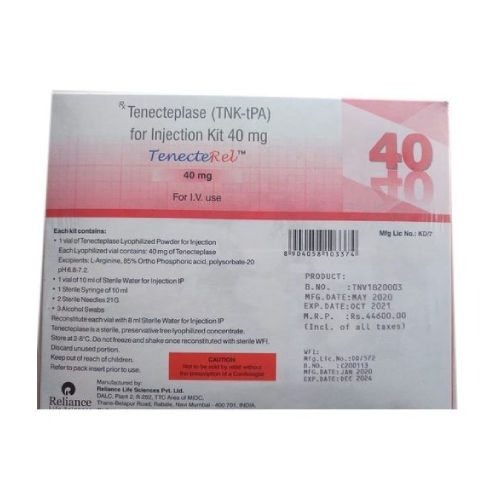
Tenecteplase Injection
Price 27000 INR / Unit
Minimum Order Quantity : as per requirement Unit
Storage Instructions : Store at 2C to 8C, protect from light
Origin : Biotechnological
Application : Other, Hospital, clinical use for thrombolytic therapy
Dosage Form : Injection
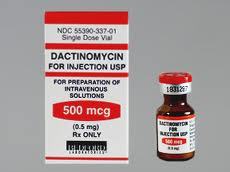
Dactinomycin injection
Price 550 INR / Bottle
Minimum Order Quantity : as per requirement Bottle
Storage Instructions : Store below 25C, protect from light; store reconstituted solutions at 2C to 8C for up to 24 hours
Origin : Synthetic
Application : Other, Intravenous administration in oncology
Dosage Form : Injection
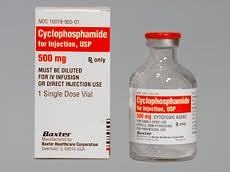
Cyclophosphamide Injections
Price 100 INR / Bottle
Minimum Order Quantity : as per requirement Bottle
Storage Instructions : Store below 25C. Protect from light and moisture.
Origin : Pharmaceutical
Application : Other, Antineoplastic agent for intravenous administration
Dosage Form : Injection
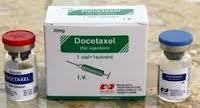
Docetaxel 20 MG & 80 MG Injection
Storage Instructions : Store below 25C, protect from light, do not freeze
Origin : Pharmaceutical, Synthetic
Application : Other, Chemotherapy, Oncology
Dosage Form : Injection

&
We are accepting bulk order quantity.
Developed and Managed by Infocom Network Private Limited.

