


 Send Inquiry
Carboplatin 450 Mg/45 ML Injection
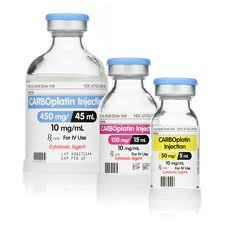

Carboplatin 450 Mg/45 ML Injection Specification
- Dosage Form
- Injection
- Origin
- Synthetic
- Salt Composition
- Carboplatin 450 mg
- Ingredients
- Carboplatin, Water for Injection, Stabilizers
- Application
- Intravenous use only, under medical supervision
- Physical Color/Texture
- Clear, colorless to pale yellow solution
- Fermentation Smell
- Odorless
- Storage Instructions
- Store below 25°C. Protect from light. Do not freeze.
- Shelf Life
- 24 months
- Route of Administration
- Intravenous infusion
- Volume
- 45 mL
- Container Type
- Glass vial
- Prescription Status
- Prescription only
- Brand Name
- Varies by manufacturer
- Compatibility
- Do not mix with other drugs in the same infusion line
- Handling Precautions
- Use with cytotoxic handling procedures
- Packaging
- Individually packed in carton with leaflet
- Concentration
- 10 mg/mL
Carboplatin 450 Mg/45 ML Injection About
Description :
Carboplatin is a famous anticancer drug ("cytotoxic" or "antineoplastic") chemotherapy drug. It is categorized as an "alkylating agent."
What Carboplatin is used for:
- Carboplatin is commonly used for treating ovarian cancer.
- Carboplatin is also taken into use for other kinds of cancer, comprising head and neck, lung, esophageal, endometrial, breast, bladder, and cervical; germ cell tumors or central nervous system; osteogenic sarcoma; and like preparation for bone marrow transplant or a stem cell.
How Carboplatin Is Given:
- Carboplatin is generally given via infusion into a vein also known as intravenous, IV.
- Carboplatin can also be provided to the patient as intra-peritoneal, straight into the peritoneal cavity present in the abdomen.
- The quantity of Carboplatin patient get depends on several factors, comprising your weight and height, your overall general health or other health related problems, and what way your body react to it. Your healthcare practitioner will decide the dose and schedule.
Carboplatin Side Effects:
Side Effects :
- Most of the people do not go through any of the side effects listed below.
- Side effects are repeatedly expected in terms of their beginning and duration.
- Side effects are usually reversible and fades away once the treatment is completed.
- There are several alternatives to assist reduce or stop side effects.
- There is no association amid the presence or rigorousness of side effects and the efficiency of Carboplatin.
- The side effects of this medication and their sternness rely totally on the quantity of Carboplatin is given. High doses may generate more stern side effects.
Below given side effects are general (happening in greater than 30%) for patients using Carboplatin:
- Low blood cells counts (including white blood cells, red blood cells, and platelets)
- Nadir: Denote low point, nadir is the spot in duration between chemotherapy cycles in which you feel low blood counts.
- Nadir: 21 days
- Recovery: 28 days
- Onset: None reported
- Nausea and vomiting typically happening within 24 hours of treatment
- Hair loss
- Weakness
- Taste changes
- Blood test abnormalities: irregular magnesium level
These are less recurrent (occurring in 10-29%) side effects for patients getting Carboplatin:
- Diarrhea
- Burning feeling at the injection site
- Constipation
- Abdominal pain
- Infection
- Mouth sores
- Peripheral Neuropathy: Though rare, a grim side effect of reduced sensation and paresthesia (tingling and numbness of the extremity) may be felt. Numbness, Sensory loss, and tingling, and trouble in walking may continue for minimum as long as therapy is sustained. These side effects become increasingly more rigorous with continued treatment, and your healthcare professionals may choose to reduce your dose.
- Central Nneurotoxicity: Rare but patients more than 65 years in age are at improved risk. Indications include confusion, dizziness, ringing in the ears and visual changes.
- Nephrotoxicity: More recurrent when Carboplatin is infused in high doses or to patients with kidney troubles.
- Hearing loss or ototoxicity - difficulty hearing high-pitched sounds.
- Irregular blood electrolyte levels (potassium, sodium, calcium).
- Irregular blood liver enzymes (Alkaline phosphatase, SGOT).
- Cardiovascular issues. Although rare, blood clots, heart failure, and strokes have been reported using Carboplatin. Lower than 1% was life threatening.
- Allergic reaction may happen. It would happen during the real transfusion. This may comprise rash, itching, dizziness or shortness of breath particularly in people who have got cisplatin.
- Not all the side effects of the medication are listed above, some that are unusual (happening in less than 10% of people). Though, you should always update your health care provider if you feel any unusual Indications.
How Carboplatin Injection Works
Carboplatin functions by interfering with the mitotic activity of malignant cells, making it effective in various chemotherapy regimens. It attaches to the DNA within cancer cells, disrupting cell division and inhibiting tumor growth. Administered intravenously, its precise dose and duration are determined by a healthcare provider.
Safe Handling and Storage Guidelines
This medication requires careful handling, adhering to cytotoxic precautions to protect healthcare personnel and patients. Always store the vial below 25C, shielded from light, and never freeze. Follow all instructions provided in the package leaflet to ensure safe administration and disposal.
Administration and Compatibility Information
Carboplatin injection is intended solely for intravenous infusion, never to be mixed with other medications in the same infusion line. Healthcare professionals are trained to ensure correct dilution, preparation, and infusion processes, optimizing patient safety and treatment outcomes.
FAQs of Carboplatin 450 Mg/45 ML Injection:
Q: How is Carboplatin 450 Mg/45 ML Injection administered?
A: This product is given as an intravenous infusion under the guidance of a medical professional. Dosages and infusion rates are calculated based on individual patient factors and should not be self-administered.Q: What are the handling precautions for Carboplatin Injection?
A: As a cytotoxic drug, it must be handled with medical-grade gloves and protective equipment. Discard all contaminated materials appropriately, and follow the instructions in the product leaflet to minimize exposure.Q: When should Carboplatin Injection not be used?
A: This injection should be avoided in patients with known hypersensitivity to carboplatin, those with severe bone marrow depression, or where the potential risks outweigh the expected benefits, as determined by a doctor.Q: Where should Carboplatin Injection be stored before use?
A: Store the glass vial below 25C in its original carton, protected from light. Do not freeze the product, and keep it out of reach of children and unauthorized persons.Q: What preparations are needed before administration?
A: A healthcare professional will dilute the injection and verify compatibility with prescribed solutions. It should not be mixed in the same infusion line with other drugs to prevent contamination or interaction.Q: What are the main benefits of using Carboplatin Injection?
A: Carboplatin is widely recognized for its efficacy in treating various cancers, particularly when other therapies are unsuitable. Its intravenous route allows controlled administration and targeted effect under clinical supervision. Get Latest Price
Price:
- 50
- 100
- 200
- 250
- 500
- 1000+

More Products in Anti Cancer Injections & Vial Category
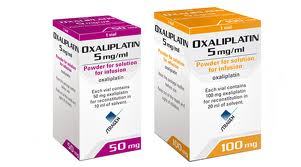
Oxaliplatin Injection
Price 2000 INR / Piece
Minimum Order Quantity : as per requirement Piece
Origin : Pharmaceutical
Physical Color/Texture : Other , Clear, colorless solution
Shelf Life : 24 months
Dosage Form : Injection
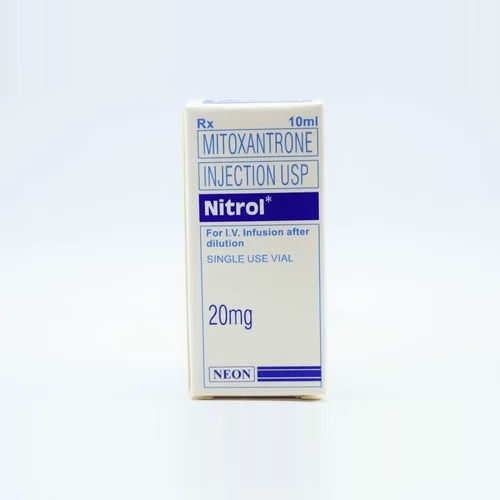
Mitoxantrone Injection
Price 500 INR / Piece
Minimum Order Quantity : as per requirement Piece
Origin : Pharmaceutical
Physical Color/Texture : Other , Blue, clear solution
Shelf Life : 24 months
Dosage Form : Injection
Irinotecam 40mg/2ml Injection
Price 100 INR / Box
Minimum Order Quantity : as per requirement Box
Origin : Pharmaceutical
Physical Color/Texture : Other , Clear, pale yellow solution
Shelf Life : 24 Months
Dosage Form : Injection
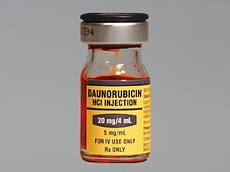
Daunorubicin Injections
Origin : Pharmaceutical
Physical Color/Texture : Other , Red, clear solution
Shelf Life : 24 months
Dosage Form : Injection

&
We are accepting bulk order quantity.
Developed and Managed by Infocom Network Private Limited.

