


 Send Inquiry
Paclitaxel Injection
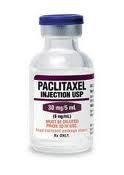

Paclitaxel Injection Specification
- Dosage Form
- Injection
- Salt Composition
- Paclitaxel
- Origin
- Synthetic
- Ingredients
- Paclitaxel, Cremophor EL, absolute alcohol, and sodium citrate
- Application
- Physical Color/Texture
- Clear to slightly yellow viscous solution
- Fermentation Smell
- Odorless or faint alcohol smell
- Storage Instructions
- Store below 25°C, protect from light, do not freeze
- Shelf Life
- 24 months
- Solubility
- Soluble in alcohol and Cremophor EL, insoluble in water
- Route of Administration
- Intravenous infusion
- USP Compliance
- Meets USP specifications for injectable
- Strength
- 30 mg/5 ml, 100 mg/16.7 ml, 260 mg/43.4 ml (varies by pack)
- Packaging Type
- Vial, with secured cap
Paclitaxel Injection Trade Information
- Supply Ability
- 1000 Boxes Per Week
- Delivery Time
- 1 Week
Paclitaxel Injection About
Paclitexal:-
Product Details :
| Minimum Order Quantity | 10 Pack |
| Packaging Size | 1 vial |
| Usage | Commercial, Clinical, Hospital, Personal |
Drug Type:
Paclitaxel is an anti-cancer ("antineoplastic" or "cytotoxic") chemotherapy drug. Paclitaxel is classified as a "plant alkaloid," a "taxane" and an "antimicrotubule agent." (For more detail, see "How Paclitaxel Works" section below).
What Paclitaxel Is Used For:
- Paclitaxel is used for the treatment of breast, ovarian, lung, bladder, prostate, melanoma, esophageal, as well as other types of solid tumor cancers. It has also been used in Kaposi's sarcoma.
Note: If a drug has been approved for one use, physicians sometimes elect to use this same drug for other problems if they believe it might be helpful.
How Paclitaxel Is Given:
- Paclitaxel is given as an injection or infusion into the vein (intravenous, IV).
- Paclitaxel is an irritant. An irritant is a chemical that can cause inflammation of the vein through which it is given. If the medication escapes from the vein it can cause tissue damage. The nurse or doctor who gives Paclitaxel must be carefully trained. If you experience pain or notice redness or swelling at the IV site while you are receiving Paclitaxel, alert your health care professional immediately.
- Because severe allergic reactions have occurred in some people taking Paclitaxel, you will be asked to take medications to help prevent a reaction. Your doctor will prescribe the exact regimen.
- Paclitaxel is given over various amounts of times and in various schedules.
- There is no pill form of Paclitaxel.
- The amount of Paclitaxel and the schedule that it is given will receive depend on many factors, including your height and weight, your general health or other health problems, and the type of cancer or condition being treated. Your doctor will determine your dose and schedule.
Side Effects of Paclitaxel:
Important things to remember about the side effects of Paclitaxel include:
- Most people do not experience all of the side effects listed.
- Side effects are often predictable in terms of their onset and duration.
- Side effects are almost always reversible and will go away after treatment is complete.
- There are many options to help minimize or prevent side effects.
- There is no relationship between the presence or severity of side effects and the effectiveness of the medication.
- The side effects of Paclitaxel and their severity vary depending on how much of the drug is given, and/or the schedule in which it is given.p
Advanced Chemotherapy Solution
Paclitaxel Injection offers a precise and potent anticancer therapy formulated to meet recognized USP specifications. It is designed for intravenous administration, ensuring systemic delivery of its active chemotherapy agent for reliable and consistent clinical outcomes. Suitable for a range of oncological indications, it is trusted by healthcare professionals.
Quality and Compliance Assured
Manufactured with synthetic paclitaxel and premium excipients, this injection guarantees compliance with strict pharmaceutical standards. Each vial is securely sealed to ensure product integrity from manufacturer to patient. The solution is soluble in alcohol and Cremophor EL but insoluble in water, contributing to its stability and efficacy.
Safe Handling and Storage
Paclitaxel Injection is provided in robust vials, emphasizing ease and safety during storage and handling by dealers, distributors, and medical staff. The product should be kept below 25C, shielded from light, and must not be frozen, maintaining its clinical potency for up to 24 months.
FAQs of Paclitaxel Injection:
Q: How is Paclitaxel Injection administered to patients?
A: Paclitaxel Injection is given through intravenous infusion, under the supervision of a healthcare professional in a clinical setting. The dosage and infusion rate depend on the patients diagnosis and response to previous treatments.Q: What are the main ingredients in Paclitaxel Injection?
A: Each vial contains paclitaxel as the active ingredient, along with Cremophor EL, absolute alcohol, and sodium citrate. These excipients aid in solubility and preservative functions, ensuring the formulations stability and effectiveness.Q: When should Paclitaxel Injection be used in cancer therapy?
A: Paclitaxel Injection is indicated as part of chemotherapy regimens for various cancers. The decision to initiate treatment and the schedule are determined by an oncologist, based on the type and stage of cancer.Q: Where should Paclitaxel Injection be stored before use?
A: It should be stored below 25C, away from direct light, and should never be frozen. Proper storage conditions are crucial for maintaining the medications effectiveness and safety over its 24-month shelf life.Q: What is the benefit of using Paclitaxel Injection in cancer treatment?
A: The main benefit is its proven ability to inhibit cancer cell growth and division. Administered intravenously, paclitaxel reaches systemic circulation, offering effective management of various malignancies in accordance with established chemotherapy protocols.Q: How does the packaging of Paclitaxel Injection ensure safety and quality?
A: Paclitaxel Injection is packaged in vials fitted with secure caps to prevent contamination and ensure sterility until the point of administration, supporting safe handling for distributors and healthcare providers.Price 12900 INR/ Box
- Minimum Order Quantity
- as per requirement Box
- Supply Ability
- 1000 Boxes Per Week
- Delivery Time
- 1 Week
 Get Latest Price
Price:
- 50
- 100
- 200
- 250
- 500
- 1000+

More Products in Anti Cancer Injections & Vial Category
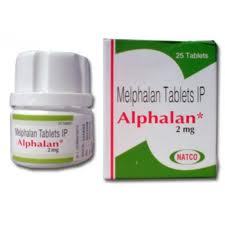
Melphalan Tablets
Shelf Life : 24 months
Fermentation Smell : Other, Odorless
Origin : India
Storage Instructions : Store below 25C, protect from moisture and light
Ingredients : Other , Melphalan
Dosage Form : Tablets
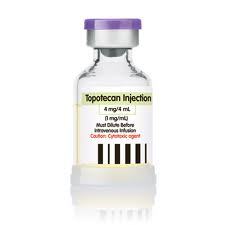
Topotecan Injection
Shelf Life : 24 months
Fermentation Smell : Other, Odorless
Origin : Synthetic
Storage Instructions : Store between 2C and 8C (Refrigerated); do not freeze
Ingredients : Other , Topotecan Hydrochloride, Water for Injection, Stabilizers
Dosage Form : Injection
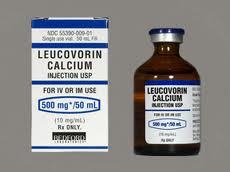
Leucovorin Calcium Injections
Shelf Life : 2 years
Fermentation Smell : Other, Odorless
Origin : India
Storage Instructions : Store below 25C (77F), protect from light
Ingredients : Other , Leucovorin Calcium, Water for Injection
Dosage Form : Injection
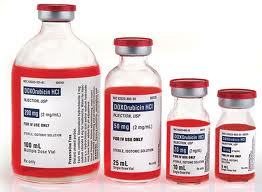
Doxorubicin Injections
Shelf Life : 24 Months
Fermentation Smell : Other, Odorless
Origin : Pharmaceutical
Storage Instructions : Store below 25C, protect from light; do not freeze
Ingredients : Other , Doxorubicin Hydrochloride, Excipients, Water for Injection
Dosage Form : Injection

&
We are accepting bulk order quantity.
Developed and Managed by Infocom Network Private Limited.

