


 Send Inquiry
Pemetrexed Injection
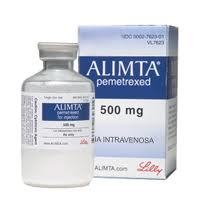

Pemetrexed Injection Specification
- Dosage Form
- Sterile lyophilized powder for injection
- Salt Composition
- Pemetrexed Disodium Hemipentahydrate
- Origin
- Synthetic
- Ingredients
- Pemetrexed Disodium
- Application
- Ph Level
- Approximately 6.6
- Fermentation Smell
- Odorless
- Storage Instructions
- Store below 25°C, protect from light
- Shelf Life
- 24 months from the date of manufacture
- Compatibility
- Compatible with standard I.V. infusion equipment
- Contraindications
- Hypersensitivity to pemetrexed or other formulation ingredients
- Route of Administration
- Intravenous infusion
- USP Reference
- Meets USP specifications for injection
- Container Material
- Glass vial with rubber stopper
- Reconstitution Instructions
- Reconstitute with 0.9% Sodium Chloride solution (no preservatives)
- Manufactured By
- Pharmaceutical manufacturer (details as per vial label)
- Preservative
- No preservative present
- Pack Size
- Vial containing 100 mg or 500 mg pemetrexed
Pemetrexed Injection About
Description :
Pemetrexed Injection 500 mg is taken into use curing malignant pleural mesothelioma in people, whose illness is unresectable; like a single agent for the primary treatment of nearby progressive or metastatic non-small cell lung cancer following prior chemotherapy; in grouping with cisplatin for curing of locally progressive or metastatic non-squamous non-small cell lung cancer; to maintain treatment of people with nearby progressive or metastatic non-squamous non-small cell lung cancer whose illness has not developed following 4 cycles of platinum built first-line chemotherapy.
Additional Information :
- IV Suggested dose is 500 mg/m 2 infused for approximately10 min on day 1 of every 21-day cycle.
Side Effects :
- Cardiovascular: Supraventricular arrhythmia (less than 1%).
- CNS: Sensory neuropathy (9%); fatigue (34%); motor neuropathy (1% to 5%).
- Dermatologic: Pruritus (7%); rash/desquamation (14%); erythema multiforme (1% to 5%), alopecia (6%).
- EENT: Increased lacrimation, ocular surface illness comprising conjunctivitis (1% to 5%).
- GI: Anorexia (22%); vomiting (16%); nausea (31%); diarrhea (13%); stomatitis/pharyngitis (15%); mucositis/stomatitis (7%); abdominal pain (1% to 5%); constipation (6%); colitis.
- Genitourinary: Creatinine increased, CrCl decreased, glomerular filtration rate reduced (1% to 5%); renal failure (less than 1%).
- Hematologic-Lymphatic: Leukopenia (12%); neutropenia (11%); anemia, thrombocytopenia (8%); febrile neutropenia (1% to 5%).
- Hepatic: Improved ALT (10%); enlarged AST (8%).
- Hypersensitivity: Allergic reactions/hypersensitivity (1% to 5%).
- Respiratory: Interstitial pneumonitis.
- Miscellaneous: Infection (5%); fever (8%); radiation recall, edema (1% to 5%).
Reliable Chemotherapy Option
Pemetrexed Injection offers a trusted and effective solution for antineoplastic therapy. Manufactured with strict quality controls, it conforms to USP standards and is readily compatible with standard I.V. infusion systems, ensuring ease of administration within clinical settings. The formulation is preservative-free, catering to patients with sensitivities, and conveniently supplied in 100 mg and 500 mg strengths for flexible dosing.
Convenient Reconstitution and Administration
This injection is supplied as a sterile lyophilized powder, reconstituted easily with 0.9% sodium chloride solution for patient administration. The glass vial packaging safeguards the integrity of the pemetrexed, while the rubber stopper simplifies access for healthcare professionals. These features, combined with clear storage and preparation instructions, facilitate smooth clinical use and enhance patient safety.
FAQs of Pemetrexed Injection:
Q: How should Pemetrexed Injection be reconstituted before administration?
A: Pemetrexed Injection should be reconstituted by adding 0.9% sodium chloride solution (without preservatives) directly to the vial, following the instructions provided on the product label. The solution must be prepared under aseptic conditions and used immediately after preparation.Q: What are the recommended storage conditions for Pemetrexed Injection?
A: Store the vials below 25C and protect them from light. Adhering to these storage guidelines helps maintain the efficacy and safety of the product until its 24-month shelf life expires.Q: When should Pemetrexed Injection not be used?
A: Pemetrexed Injection is contraindicated in patients who have hypersensitivity to pemetrexed or any other component of the formulation. Healthcare providers should evaluate patients for known allergies before administration.Q: Where can Pemetrexed Injection be administered?
A: This product is designed for administration in healthcare settings by qualified professionals. It is delivered intravenously, which requires appropriate medical supervision and equipment.Q: What benefits does the preservative-free formulation of Pemetrexed Injection provide?
A: A preservative-free formulation minimizes the risk of adverse reactions in sensitive individuals and is preferred for patients who require multiple or high-dose administrations over time.Q: How is Pemetrexed Injection supplied and what are its packaging materials?
A: The injection is available in glass vials containing either 100 mg or 500 mg of pemetrexed. Each vial is sealed with a rubber stopper to ensure sterility and prevent contamination prior to reconstitution.Q: What equipment is compatible with the administration of Pemetrexed Injection?
A: Pemetrexed Injection is compatible with standard intravenous infusion equipment, facilitating its integration into routine hospital or clinic procedures. Get Latest Price
Price:
- 50
- 100
- 200
- 250
- 500
- 1000+

More Products in Anti Cancer Injections & Vial Category
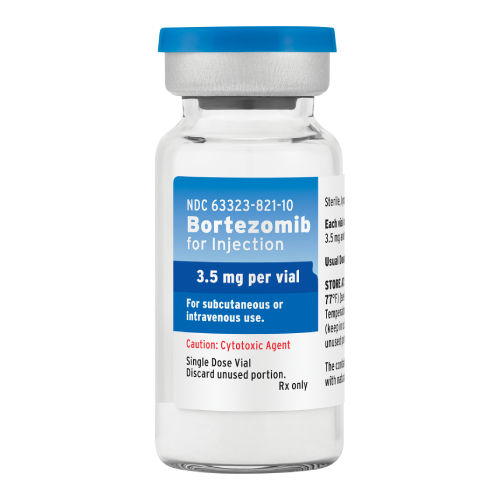
Bortezomib Injection
Price 2000 INR / Piece
Minimum Order Quantity : as per requirement Piece
Dosage Form : Injection
Salt Composition : Bortezomib 2 mg/vial
Shelf Life : 24 Months
Storage Instructions : Store below 25C, Protect from light
Amifostine Injections
Price 80 INR / Pack
Minimum Order Quantity : as per requirement Pack
Dosage Form : Injection
Salt Composition : Amifostine 500 mg
Shelf Life : 2 years from the date of manufacture
Storage Instructions : Store below 25C, protect from light
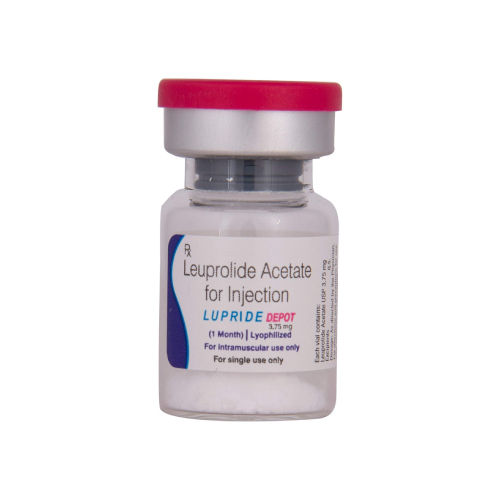
Leuprolide Acetate Injection
Dosage Form : Injection
Salt Composition : Leuprolide Acetate
Shelf Life : 24 months
Storage Instructions : Store at 2C to 8C, do not freeze
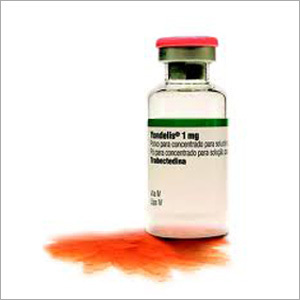
Yondelis 1 Mg Powder
Dosage Form : Lyophilized Powder for Injection
Salt Composition : Trabectedin 1 mg
Shelf Life : As indicated on packaging (usually 24 months)

&
We are accepting bulk order quantity.
Developed and Managed by Infocom Network Private Limited.

