


 Send Inquiry
Amifostine Injections
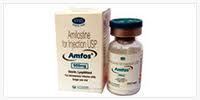

Amifostine Injections Specification
- Indication
- Cytoprotective agent to reduce the risk of nephrotoxicity with cisplatin and reduce xerostomia after radiotherapy
- Dosage Form
- Injection
- Salt Composition
- Amifostine 500 mg
- Origin
- Pharmaceutical
- Ingredients
- Amifostine trihydrate, suitable excipients
- Application
- IV administration in oncology settings
- Fermentation Smell
- Odorless
- Storage Instructions
- Store below 25°C, protect from light
- Shelf Life
- 2 years from the date of manufacture
- Brand Name
- Amifostine Injection
- Pack Size
- Vial of 500 mg for reconstitution
- Prescription/Non prescription
- Prescription only
- Compatibility
- Compatible with 0.9% sodium chloride for reconstitution
- Route of Administration
- Intravenous
Amifostine Injections Trade Information
- Supply Ability
- 100 Packs Per Week
- Delivery Time
- 1 Week
Amifostine Injections About
Amifostine:-
Smaller
Medium
Larger
1
2
3
4
Next
Disclaimer:
Cytarabine - injection, Cytosar-U, Tarabine PFS
Take the Chronic Fatigue Syndrome Quiz
Take the Chronic Fatigue Quiz Take the Chronic Fatigue Quiz
Surprising Benefits of Sex Slideshow Surprising Benefits of Sex Slideshow
Foods & Drinks That Make You Gotta Go Slideshow Foods & Drinks That Make You Gotta Go Slideshow Pictures
GENERIC NAME: CYTARABINE - INJECTION (sye-TAIR-uh-bean)
BRAND NAME(S): Cytosar-U, Tarabine PFS
Warning | Medication Uses | How To Use | Side Effects | Precautions | Drug Interactions | Overdose | Notes | Missed Dose | Storage
WARNING: This medication may cause serious (rarely fatal) blood disorders (bone marrow suppression leading to anemia, low number of white blood cells and platelets). Liver problems may also occur. Your doctor will monitor you closely for these side effects.
Tell your doctor immediately if you develop any signs of infection (e.g., fever, chills, persistent sore throat), unusual fatigue, easy bruising or bleeding, nausea, vomiting, diarrhea, stomach/abdominal pain, dark urine, yellowing eyes/skin, or mouth sores.
Cytoprotective Support in Oncology
Amifostine Injection acts as a proven cytoprotective agent in oncology settings, providing essential protection against certain chemotherapy and radiotherapy side effects. This intravenous medication is commonly used to decrease the risk of kidney damage from cisplatin and to alleviate post-radiation xerostomia in head and neck cancer patients.
Easy Reconstitution and Administration
Designed for hospital use, Amifostine Injection is supplied as a 500 mg vial to be reconstituted with 0.9% sodium chloride. The solution is administered intravenously under medical supervision, ensuring patient safety and optimal therapeutic impact during cancer treatment regimens.
Safe Storage and Reliable Shelf Life
With storage instructions below 25C and protection from light, Amifostine Injection remains stable for up to two years from the date of manufacture. Its odorless formulation ensures comfort in preparation and administration within medical facilities.
FAQs of Amifostine Injections:
Q: How is Amifostine Injection prepared and administered?
A: Amifostine Injection should be reconstituted using 0.9% sodium chloride. The prepared solution is administered intravenously under the supervision of a healthcare professional, typically prior to chemotherapy or radiotherapy sessions.Q: What is the main benefit of using Amifostine Injection during cancer treatment?
A: The primary benefit of Amifostine Injection is its cytoprotective effectit helps reduce the risk of nephrotoxicity during cisplatin therapy and minimizes xerostomia in patients receiving radiotherapy for head and neck cancer, improving overall treatment outcomes.Q: When should Amifostine Injection be given to a patient?
A: This medication is administered just before chemotherapy (like cisplatin) or radiotherapy, following a schedule determined by the oncology team. The timing optimizes its protective effects against treatment-induced side effects.Q: What steps are involved in the reconstitution process for Amifostine Injection?
A: First, the vial containing 500 mg Amifostine must be dissolved in an appropriate volume of 0.9% sodium chloride to create a clear solution. The reconstituted solution is then used for intravenous administration as directed by a healthcare provider.Q: Where should Amifostine Injection be stored before use?
A: The vial should be stored in a cool place below 25C, away from direct light, to maintain its stability and effectiveness throughout its shelf life.Q: Is Amifostine Injection available without a prescription?
A: No, Amifostine Injection is a prescription-only medicine. It should only be used under the guidance of qualified medical professionals in healthcare settings.Price 80 INR/ Pack
- Minimum Order Quantity
- as per requirement Pack
- Supply Ability
- 100 Packs Per Week
- Delivery Time
- 1 Week
 Get Latest Price
Price:
- 50
- 100
- 200
- 250
- 500
- 1000+

More Products in Anti Cancer Injections & Vial Category
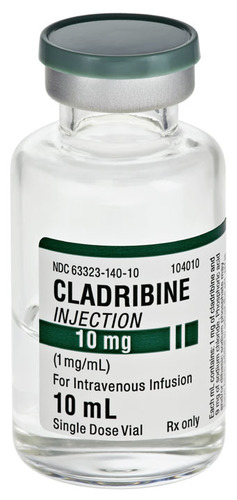
Cladribine Injection
Minimum Order Quantity : 100 Bottles
Storage Instructions : Store at 2C to 8C (refrigerated), protect from light
Shelf Life : 24 months (unopened vial)
Ingredients : Other , Cladribine (active), sterile water for injection
Salt Composition : Cladribine
Application : Other, Antineoplastic therapy
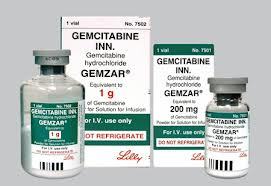
Gemzar Injection
Minimum Order Quantity : as per requirement Unit
Storage Instructions : Store below 30C, protect from light
Shelf Life : 24 months
Ingredients : Other , Each vial contains Gemcitabine Hydrochloride as active ingredient, with excipients
Salt Composition : Gemcitabine Hydrochloride
Reditux 100 mg / 500 mg Injection
Storage Instructions : Store at 2C 8C. Do not freeze. Protect from light.
Shelf Life : 24 months
Ingredients : Other , Rituximab, excipients
Salt Composition : Rituximab 100 mg / 500 mg
Application : Other, IV infusion in the treatment of certain cancers and autoimmune diseases
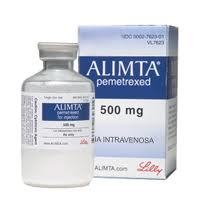
Pemetrexed Injection
Storage Instructions : Store below 25C, protect from light
Shelf Life : 24 months from the date of manufacture
Ingredients : Other , Pemetrexed Disodium
Salt Composition : Pemetrexed Disodium Hemipentahydrate
Application : Other, Antineoplastic (Chemotherapy)

&
We are accepting bulk order quantity.
Developed and Managed by Infocom Network Private Limited.

