


 Send Inquiry
Doxorubicin 10 Mg/ 50 Mg Injection
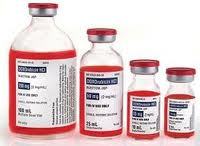

Doxorubicin 10 Mg/ 50 Mg Injection Specification
- Origin
- Pharmaceutical
- Indication
- Cancer Therapy (e.g., breast cancer, leukemia, lymphomas, ovarian and bladder cancer)
- Dosage Form
- Injection
- Salt Composition
- Doxorubicin Hydrochloride
- Feature
- Sterile, Preservative free, Lyophilized powder or solution
- Ingredients
- Doxorubicin Hydrochloride, Water for Injection, Excipients
- Application
- Intravenous use only
- Physical Color/Texture
- Clear Red Solution
- Fermentation Smell
- Odorless
- Storage Instructions
- Store below 25°C, Protect from light, Do not freeze
- Shelf Life
- 24 months
- Strength Available
- 10 mg/5 ml, 50 mg/25 ml
- Container Type
- Glass vial
- Route of Administration
- Intravenous (IV) infusion
- Reconstitution
- Use Water for Injection
- ATC Code
- L01DB01
- Chemical Formula
- C27H29NO11.HCl
- Hazard
- Cytotoxic agent-handle with care
- Compatibility
- Should not be mixed with heparin or fluorouracil
Doxorubicin 10 Mg/ 50 Mg Injection About
Doxorubicin 10 Mg & 50 Mg :
Doxorubicin is an anti-cancer (antineoplastic cytotoxic) chemotherapy drug. Doxorubicin is classified as an anthracycline antiobiotic.(For more detail, see How Doxorubicin Works section below).
What Doxorubicin Is Used For:
Cancers treated with Doxorubicin include: bladder, breast, head and neck, leukemia (some types), liver, lung, lymphomas, mesothelioma, multiple myeloma, neuroblastoma, ovary, pancreas, prostate, sarcomas, stomach, testis (germ cell), thyroid, uterus.
Side-Effects:
Early Side Effects: (within one week after treatment begins)
- Pain along the site where the medication was given
- Nausea or vomiting
- Later Side Effects: (within two weeks after treatment begins)
- Low blood counts. Your white and red blood cells and platelets may temporarily decrease. This can put you at increased risk for infection, anemia and/or bleeding.
- Nadir: Meaning low point, nadir is the point in time between chemotherapy cycles in which you experience low blood counts.
Onset: 7 days
Nadir: 10-14 days
Recovery: 21-28 days
- Mouth sores
- Hair loss on the scalp or elsewhere on the body (called alopecia). Most patients do lose some or all of their hair during their treatment. But your hair will grow back after treatment is completed.
The following side effects are less common (occurring in 10-29%) for patients taking Doxorubicin:
Early: (within one week after treatment begins)
- Eyes watering
- Urine may appear red, red-brown, orange or pink from the color of the medication for one to two days after you receive a dose.
- Later: (within two weeks after treatment begins)
- Darkening of the nail beds.
- Darkening of the skin where previous radiation treatment has been given.
- Problems with fertility ability to bear children. (occurs in about 10% of both men and women this should be discussed with your doctor prior to therapy)
Potent Chemotherapy for Multiple Indications
Doxorubicin Injection is an established cancer therapy, utilized in diverse malignancies including breast, ovarian, bladder cancers, leukemias, and lymphomas. Its broad spectrum of action allows oncologists and healthcare professionals to employ it as a cornerstone in many chemotherapy regimens, addressing a crucial need in cancer management throughout India and globally.
Sterile and Preservative-Free Formulation
Formulated as a sterile, preservative-free solution or lyophilized powder, Doxorubicin Injection comes in glass vials for enhanced safety and purity. This ensures compatibility for intravenous use, reducing the risk of contaminants or adverse reactions, while supporting stringent pharmaceutical standards for patient safety.
Safe Handling and Storage Protocols
As a cytotoxic agent, Doxorubicin requires careful handling by medical professionals. It must be stored below 25C, protected from light, and never frozen. These measures help maintain the medicines efficacy and safety throughout its 24-month shelf life, ensuring its readiness for effective cancer treatment.
FAQs of Doxorubicin 10 Mg/ 50 Mg Injection:
Q: How should Doxorubicin Injection be administered?
A: Doxorubicin Injection is administered exclusively by intravenous (IV) infusion. A healthcare professional will prepare and infuse the solution directly into a vein. It should never be injected intramuscularly or subcutaneously.Q: What precautions are necessary when preparing and handling this cytotoxic agent?
A: Due to its cytotoxic nature, Doxorubicin Injection must be handled with gloves, protective clothing, and in a controlled environment. Proper disposal of vials and materials is essential to prevent accidental exposure. It should not be mixed with heparin or fluorouracil to avoid incompatibilities.Q: When is Doxorubicin Injection typically prescribed?
A: Doxorubicin is indicated for cancer therapy in conditions such as breast cancer, ovarian cancer, bladder cancer, leukemias, and lymphomas. The exact timing and dosage schedule are determined by the oncologist based on the patients condition and treatment protocol.Q: Where should Doxorubicin Injection be stored for maximum efficacy?
A: The injection should be stored below 25C, protected from light. It must not be frozen and should remain sealed in its original glass vial packaging until use to maintain stability and effectiveness.Q: What is the correct reconstitution process for Doxorubicin Injection?
A: For lyophilized powder forms, reconstitute Doxorubicin using only Water for Injection, as per the manufacturers instructions. Mixing with incompatible substances like heparin or fluorouracil should be avoided to ensure safe administration.Q: What are the primary benefits of using Doxorubicin Injection in cancer therapy?
A: Doxorubicin Injection is effective against a broad range of cancers, with a proven record in improving treatment outcomes for different malignancies. Its intravenous administration provides controlled dosing and rapid action, contributing significantly to cancer management strategies.Q: Who is authorized to use or supply Doxorubicin Injection in India?
A: Doxorubicin Injection is available for hospitals and clinics through authorized dealers, distributors, suppliers, exporters, and wholesalers in India. Only licensed healthcare professionals should administer this medication. Get Latest Price
Price:
- 50
- 100
- 200
- 250
- 500
- 1000+

More Products in Anti Cancer Injections & Vial Category
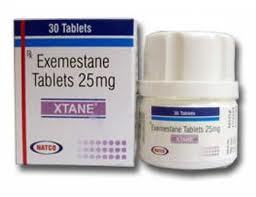
Exemestane 25mg Tablets
Price 120 INR / Box
Minimum Order Quantity : as per requirement Box
Dosage Form : Tablet
Storage Instructions : Store below 30C, protected from moisture
Salt Composition : Exemestane 25mg
Application : Other, Oncology / Cancer Treatment
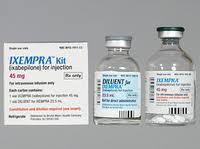
Ixempra 15 Mg Injection
Price 79000 INR / Piece
Minimum Order Quantity : as per requirement Piece
Dosage Form : Injection
Storage Instructions : Store at 2C8C (Refrigerate, do not freeze)
Salt Composition : Ixabepilone (15mg)
Application : Other, Intravenous use only, under the supervision of a qualified physician experienced in cancer chemotherapy
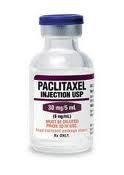
Paclitaxel Injection
Price 12900 INR / Box
Minimum Order Quantity : as per requirement Box
Dosage Form : Injection
Storage Instructions : Store below 25C, protect from light, do not freeze
Salt Composition : Paclitaxel
Application : Other, Anticancer/chemotherapy
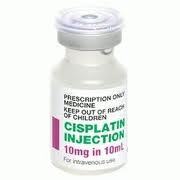
Cisplatin 10 Mg 10 ML Injection
Dosage Form : Injection
Storage Instructions : Store below 25C. Protect from light. Do not freeze.
Salt Composition : Cisplatin 10 mg
Application : Other, Antineoplastic (chemotherapy) agent

&
We are accepting bulk order quantity.
Developed and Managed by Infocom Network Private Limited.

