


 Send Inquiry
Nimotuzumab Injections
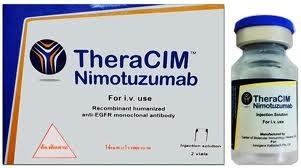

Nimotuzumab Injections Specification
- Indication
- Head and Neck Cancer, Glioma, other EGFR expressing tumors
- Origin
- Biotechnological
- Dosage Form
- Injection
- Salt Composition
- Nimotuzumab
- Ingredients
- Nimotuzumab 50mg (per vial), Excipients
- Application
- Cancer Therapy
- Physical Color/Texture
- Clear to slightly opalescent liquid
- Fermentation Smell
- Odorless
- Shelf Life
- 24 months from manufacturing date
- Minimum Order Quantity
- As per supplier (usually 5 vials, per image reference)
- Usage Condition
- Hospital and oncology settings
- Route of Administration
- Intravenous infusion
- Compatibility
- Do not mix with other drugs in the same infusion line
- Container Material
- Glass vial
- Prescription Status
- Prescription only
- Pack Size
- Vial (50mg/10ml)
Nimotuzumab Injections About
Nimotuzumab:-
Targeted therapy in the treatment of cancer has significantly improved the clinical benefits over conventional therapy in indications like head and neck, colorectal etc. Molecular targets such as epidermal growth factor (EGFR) have been well established in the treatment of various solid tumors. Screening for the molecular target and treating the patient with the respective targeted therapeutic agents with or without combination therapy had changed the treatment modalities in recent past. Nimotuzumab is a humanized monoclonal antibody binds to the extracellular domain of EGFR, and consequently inhibits tyrosine kinase activation. Nimotuzumab is the only-affinity optimized anti-EGFR monoclonal antibody exhibits superior safety profile among the class of anti-EGFR agents. Anti-tumor efficacy of nimotuzumab was well correlated with the level EGFR expression in tumors in vitro/ in vivo
Precise Cancer Therapy
Nimotuzumab Injection is manufactured through advanced biotechnology to specifically target EGFR-expressing cancer cells. Its precision reduces harm to healthy tissues, making it a preferred option in managing head and neck cancers, glioma, and certain other tumors. Healthcare professionals administer it by intravenous infusion in controlled environments, ensuring accurate dosage and patient safety.
Safe and Controlled Administration
Packaged in a high-quality glass vial, Nimotuzumab is designed for intravenous infusion only, under strict hospital protocols. This medicine must not be mixed with other drugs in the same infusion line to maintain its effectiveness and reduce the risk of adverse reactions. Its clear to slightly opalescent, odorless liquid ensures easy visual inspection for purity and safety.
Trusted Supply for Healthcare Institutions
Distributed by reliable dealers and wholesalers, Nimotuzumab comes with a minimum order requirementtypically five vialsto support hospital and oncology department stock needs. The products 24-month shelf life allows for practical inventory management, while compliance with Indian regulatory standards ensures trusted quality and efficacy.
FAQs of Nimotuzumab Injections:
Q: How is Nimotuzumab Injection administered in clinical settings?
A: Nimotuzumab Injection is administered as an intravenous infusion by healthcare professionals in hospitals or oncology centers, ensuring careful monitoring and appropriate dosing for cancer patients.Q: What types of cancer can be treated with Nimotuzumab Injection?
A: This injection is indicated for the treatment of head and neck cancer, glioma, and other tumors that express the epidermal growth factor receptor (EGFR). Your oncologist will determine if it is suitable for your condition.Q: When should Nimotuzumab be given during cancer therapy?
A: The timing and frequency of Nimotuzumab administration are determined by the treating oncologist based on the patients cancer type, progression, and response to previous treatments. It is a prescription-only medication used as part of a comprehensive treatment plan.Q: Where can Nimotuzumab Injections be sourced, and who supplies them?
A: Nimotuzumab is supplied by authorized dealers, distributors, and exporters in India. Hospitals and oncology centers can obtain it through these channels with a minimum order quantity as advised by the supplier.Q: What is the process for storing Nimotuzumab Injection to retain its stability?
A: This medicine should be stored as per the manufacturers recommendations, typically in a temperature-controlled environment, and used within 24 months from the manufacturing date to ensure optimal efficacy.Q: How should Nimotuzumab be used with other medications during a treatment cycle?
A: Nimotuzumab should not be mixed with other drugs in the same infusion line. To prevent interactions and maintain its effectiveness, it must be infused separately, following hospital pharmacy protocols.Q: What are the primary benefits of using Nimotuzumab Injection in cancer therapy?
A: Nimotuzumab offers a targeted approach by directly binding to EGFR-expressing cancer cells. This selectivity reduces collateral damage to normal tissue, potentially increasing treatment effectiveness while minimizing side effects. Get Latest Price
Price:
- 50
- 100
- 200
- 250
- 500
- 1000+

More Products in Anti Cancer Injections & Vial Category
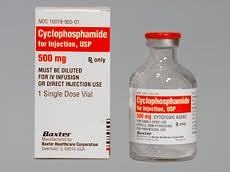
Cyclophosphamide Injections
Minimum Order Quantity : as per requirement Bottle
Storage Instructions : Store below 25C. Protect from light and moisture.
Ingredients : Other , Cyclophosphamide
Application : Other, Antineoplastic agent for intravenous administration
Origin : Pharmaceutical
Salt Composition : Cyclophosphamide
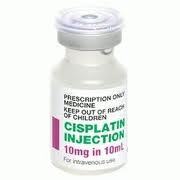
Cisplatin 10 Mg 10 ML Injection
Storage Instructions : Store below 25C. Protect from light. Do not freeze.
Ingredients : Other , Cisplatin, Water for injection, Sodium chloride
Application : Other, Antineoplastic (chemotherapy) agent
Origin : Synthetic
Salt Composition : Cisplatin 10 mg
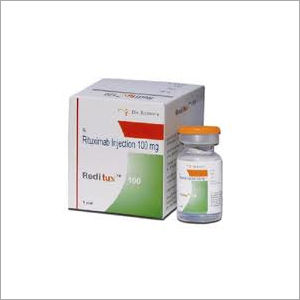
Rituximab Injection
Minimum Order Quantity : 10 Boxes
Storage Instructions : Cool & Dry Place
Ingredients : Other
Application : Other
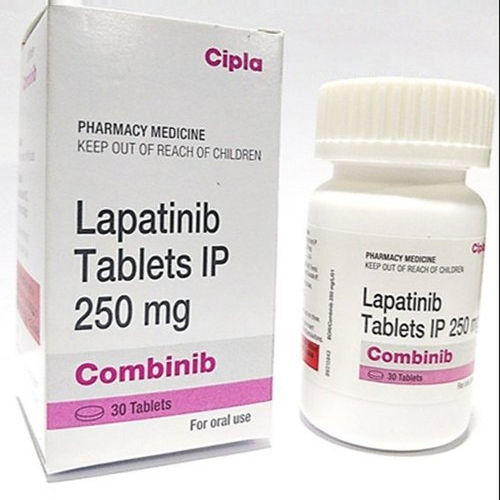
Lapatinib Tablets
Storage Instructions : Store at room temperature, 20C to 25C (68F to 77F); Protect from moisture.
Ingredients : Other , Lapatinib Ditosylate, Excipients
Application : Other, Oncology, Breast Cancer Therapy
Origin : Pharmaceutical
Salt Composition : Lapatinib Ditosylate

&
We are accepting bulk order quantity.
Developed and Managed by Infocom Network Private Limited.

