


 Send Inquiry
Palonosetron HCL Injections
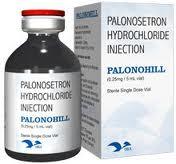

Palonosetron HCL Injections Specification
- Origin
- Pharmaceutical
- Salt Composition
- Palonosetron Hydrochloride
- Dosage Form
- Injection
- Ingredients
- Palonosetron Hydrochloride, excipients
- Application
- Oncology, antiemetic therapy
- Physical Color/Texture
- Clear, colorless liquid
- Fermentation Smell
- Odorless
- Storage Instructions
- Store below 25°C, protect from light
- Shelf Life
- 2 years from date of manufacture
- Prescription Requirement
- Prescription only
- Strength
- 0.25 mg/5 ml
- Contraindications
- Known hypersensitivity to palonosetron or excipients
- Packing Type
- Vial
- Route of Administration
- Intravenous (IV)
- Use in Pediatrics
- Use only as directed by physician
- Container Material
- Glass vial
Palonosetron HCL Injections Trade Information
- Supply Ability
- 100 Packs Per Week
- Delivery Time
- 1 Week
Palonosetron HCL Injections About
Palonosetron:-
Nausea, Vomiting - Cancer Symptoms, Chemotherapy & Chemo Side Effects
Nausea & Chemotherapy Nausea - Vomiting from cancer drugs. Unfortunately, certain chemotherapy drugs can cause nausea and vomiting. Luckily, there are many drugs and medications that your doctor can prescribe to prevent, lessen, or relieve the nausea and vomiting associated with chemotherapy - Emend, Ondansetron, Kytri.
Palonosetron 0.25mg Vial is a well-known antiemetic and antinauseant agent. Palonosetron is prescribed for emetogenic tumor chemotherapy - avoidance of intense and deferred sickness and vomiting related with introductory and rehash courses
Exceptionally emetogenic tumor chemotherapy - avoidance of intense nausea and regurgitating related with initial and rehash courses
Cure of postoperative nausea and heaving (PONV) for up to 24 hours following medical procedure. Efficiency past 24 hours has not been demonstrated. As with different antiemetics, routine prophylaxis isn't suggested in patients in whom there is little need that vomiting and additionally nausea will happen postoperatively.
3s organization is Exporter, Supplier, Wholesaler for Palonosetron 0.25mg Vial in India.
We even offer contract-manufacturing administrations from WHO GMP endorsed plants.
Additional Information and Suggested Dosing
- Chemotherapy-Induced Vomiting and Nausea
- Dose for Adults - a single 0.25 mg I.V. dose monitored more than 30 seconds. Dosing need happen roughly 30 minutes before the beginning of chemotherapy.
- Postoperative Nausea and Vomiting
- Measurement for Adults - a single 0.075 mg I.V. dose directed more than 10 seconds quickly before the acceptance of anesthesia.
Indications :
Get emergency restorative help if patient has any of these indications of a hypersensitive response:
- trouble breathing; hives; swelling of face, lips, tongue, or throat.
- Less severe Indications may include:
- Cerebral pain;
- Tired feeling.
- Constipation; or
Effectiveness in Oncology Settings
Palonosetron HCL Injection offers advanced antiemetic protection for patients undergoing chemotherapy or radiation therapy. Its unique formulation provides extended relief from acute and delayed nausea, helping to improve patient comfort and adherence to cancer treatment regimens. With a long half-life, it is particularly beneficial for cancer patients who require ongoing support.
Strict Storage and Handling
Proper storage is essential to preserve the efficacy of Palonosetron HCL Injection. The product should be kept below 25C and protected from direct light. The glass vial packaging ensures sterility and maintains the chemical stability of the solution for up to two years from its manufacture date, making it suitable for distribution, export, and wholesale supply.
FAQs of Palonosetron HCL Injections:
Q: How is Palonosetron HCL Injection administered?
A: Palonosetron HCL Injection is administered intravenously by a healthcare professional. It is injected directly into the vein, typically before chemotherapy or radiation procedures, as per the prescribed schedule provided by your doctor.Q: What are the benefits of using Palonosetron HCL Injection in oncology?
A: This injection helps prevent and manage nausea and vomiting associated with chemotherapy and radiation therapy, thereby improving patient comfort and treatment adherence. Its prolonged action and reliable efficacy make it a preferred choice in oncology antiemetic therapy.Q: When should Palonosetron HCL Injection be used?
A: Palonosetron HCL Injection should be administered prior to chemotherapy or radiation therapy sessions to prevent nausea and vomiting, according to your doctors instructions.Q: Can Palonosetron HCL Injection be used for pediatric patients?
A: Yes, Palonosetron HCL Injection may be used for pediatric patients, but only under strict supervision and direction of a qualified physician, following established medical guidelines.Q: What storage conditions are required for Palonosetron HCL Injection?
A: The injection must be stored below 25C, protected from direct light, and kept in its original glass vial packaging to retain its efficacy throughout the two-year shelf life.Q: Who should not use Palonosetron HCL Injection?
A: This injection should not be used in individuals with known hypersensitivity to Palonosetron or any of its excipients. It is essential to inform your healthcare provider of any allergies before starting treatment.Price 90 INR/ Pack
- Minimum Order Quantity
- as per requirement Pack
- Supply Ability
- 100 Packs Per Week
- Delivery Time
- 1 Week
 Get Latest Price
Price:
- 50
- 100
- 200
- 250
- 500
- 1000+

More Products in Anti Cancer Injections & Vial Category
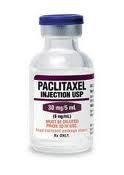
Paclitaxel Injection
Price 12900 INR / Box
Minimum Order Quantity : as per requirement Box
Ingredients : Other , Paclitaxel, Cremophor EL, absolute alcohol, and sodium citrate
Application : Other, Anticancer/chemotherapy
Origin : Synthetic
Dosage Form : Injection

Sorafenib Tablets
Price 1700 INR / Unit
Minimum Order Quantity : as per requirement Unit
Ingredients : Other , Each tablet contains Sorafenib Tosylate
Application : Other, Oncology (Cancer therapy)
Origin : Generic
Dosage Form : Tablet
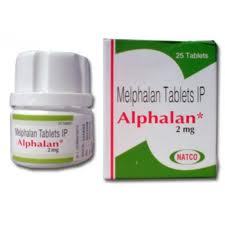
Melphalan Tablets
Price 2500 INR / Piece
Minimum Order Quantity : as per requirement , Piece
Ingredients : Other , Melphalan
Application : Other, Pharmaceutical, Oncology
Origin : India
Dosage Form : Tablets

&
We are accepting bulk order quantity.
Developed and Managed by Infocom Network Private Limited.

