


 Send Inquiry
Doxorubicin Injections
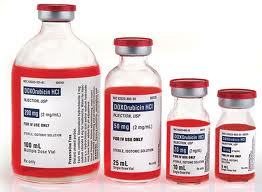

Doxorubicin Injections Specification
- Salt Composition
- Doxorubicin Hydrochloride
- Indication
- Antineoplastic (used in the treatment of various cancers)
- Origin
- Pharmaceutical
- Dosage Form
- Injection
- Ingredients
- Doxorubicin Hydrochloride, Excipients, Water for Injection
- Ph Level
- 3.0 3.5 (solution)
- Physical Color/Texture
- Red colored, clear solution
- Fermentation Smell
- Odorless
- Storage Instructions
- Store below 25C, protect from light; do not freeze
- Shelf Life
- 24 Months
- Packaging Type
- Glass Vial
- Usage
- Hospital, Oncology Centers
- Compatibility
- Compatible with 0.9% Sodium Chloride and 5% Dextrose
- Warning
- For IV use only. Cytotoxic. Handle with care.
- Route of Administration
- Intravenous
- Prescription/Non Prescription
- Prescription required
- Brand Name
- Doxorubicin Injection USP
- Contraindications
- Known hypersensitivity, severe myocardial insufficiency, recent myocardial infarction
- Available Strengths
- 10 mg/5 ml, 50 mg/25 ml
Doxorubicin Injections About
Doxorubicine:-
Doxorubicin is used in combination with other medications to treat certain types of bladder, breast, lung, stomach, and ovarian cancer; Hodgkin's lymphoma (Hodgkin's disease) and non-Hodgkin's lymphoma (cancer that begins in the cells of the immune system); and certain types of leukemia (cancer of the white blood cells), including acute lymphoblastic leukemia (ALL) and acute myeloid leukemia (AML, ANLL). Doxorubicin is also used alone and in combination with other medications to treat certain types of thyroid cancer and certain types of soft tissue or bone sarcomas (cancer that forms in muscles and bones). It is also used to treat neuroblastoma (a cancer that begins in nerve cells and occurs mainly in children) and Wilms' tumor (a type of kidney cancer that occurs in children). Doxorubicin is in a class of medications called anthracyclines. It works by slowing or stopping the growth of cancer cells in your body.
Doxorubicin comes as a solution (liquid) or as a powder to be mixed with liquid to be injected intravenously (into a vein) by a doctor or nurse in a medical facility. It is usually given once every 21-28 days. The length of treatment depends on the types of drugs you are taking, how well your body responds to them, and the type of cancer you have.
Doxorubicin should be administered only into a vein. However, it may leak into surrounding tissue causing severe irritation or damage. Your doctor or nurse will monitor your administration site for this reaction. If you experience any of the following symptoms, call your doctor immediately: pain, itching, redness, swelling, blisters, or sores in the place where the medication was injected.
Doxorubicin may cause serious or life-threatening heart problems at any time during your treatment or months to years after your treatment has ended. Your doctor will order tests before and during your treatment to see if your heart is working well enough for you to safely receive doxorubicin. These tests may include an electrocardiogram (ECG; test that records the electrical activity of the heart) and an echocardiogram (test that uses sound waves to measure your heart's ability to pump blood). Your doctor may tell you that you should not receive this medication if you have an abnormal heart rate or if the tests show your heart's ability to pump blood has decreased. Tell your doctor if you have or have ever had any type of heart disease, a heart attack, or radiation (x-ray) therapy to the chest area. Tell your doctor and pharmacist if you are taking or have ever received certain cancer chemotherapy medications such as cyclophosphamide (Cytoxan), daunorubicin (Cerubidine, DaunoXome), epirubicin (Ellence), idarubicin (Idamycin), mitoxantrone (Novantrone), trastuzumab , or verapamil (Calan, Isoptin). If you experience any of the following symptoms, call your doctor immediately: shortness of breath; difficulty breathing; swelling of the hands, feet, ankles or lower legs; or fast, irregular, or pounding heartbeat.
Doxorubicin can cause a severe decrease in the number of blood cells in your bone marrow.
Precision Formulation for Oncology
Doxorubicin Injection USP is formulated for effective cancer therapy, supporting oncologists with reliable dosing. Each glass vial ensures the integrity of the medication, maintaining stability, and sterility for clinical administration. The ready-to-use solution aids rapid preparation during critical hospital treatments.
Safe Handling and Administration
Due to its cytotoxic properties, Doxorubicin Injection USP demands strict handling protocols. Healthcare professionals must use safety equipment and follow established guidelines to avoid accidental exposure, ensuring both patient and staff safety during intravenous administration.
Storage and Stability Guidance
To preserve its efficacy, Doxorubicin Injection USP should be stored at temperatures below 25C, away from light, and must not be frozen. The preparation has a stable shelf life of 24 months under recommended conditions, maximizing utility for hospitals, oncology centers, and suppliers.
FAQs of Doxorubicin Injections:
Q: How is Doxorubicin Injection USP administered to patients?
A: Doxorubicin Injection USP is administered intravenously by healthcare professionals in hospitals or oncology centers, ensuring precise dosing and careful handling due to its cytotoxic nature.Q: What cancers can Doxorubicin Injection USP be used to treat?
A: This injection is an antineoplastic agent indicated for the treatment of various cancers. Specific cancer types and suitability will be determined by the prescribing oncologist based on the individual patients needs.Q: When should Doxorubicin Injection USP not be used?
A: Doxorubicin Injection USP is contraindicated in individuals with known hypersensitivity to doxorubicin, severe myocardial insufficiency, or a recent myocardial infarction. Medical evaluation is necessary prior to starting therapy.Q: Where should Doxorubicin Injection USP be stored for optimal safety and effectiveness?
A: The glass vials should be stored below 25C, away from light, and should never be frozen. Proper storage helps maintain the medications quality throughout its 24-month shelf life.Q: What steps should be followed to ensure safe handling of Doxorubicin Injection USP?
A: Only trained medical professionals should handle this product, using protective gloves and equipment as it is cytotoxic. Proper disposal and precautions are essential to prevent accidental exposure.Q: What are the available strengths and compatible solutions for this injection?
A: Doxorubicin Injection USP is supplied in two strengths: 10 mg/5 ml and 50 mg/25 ml, and is compatible with 0.9% sodium chloride or 5% dextrose for intravenous administration.Q: What are the main benefits of using Doxorubicin Injection USP in cancer therapy?
A: Doxorubicin Injection USP offers reliable, stabilized dosing for oncology treatment, making it a key antineoplastic medication for various cancer protocols when administered by medical professionals. Get Latest Price
Price:
- 50
- 100
- 200
- 250
- 500
- 1000+

More Products in Anti Cancer Injections & Vial Category
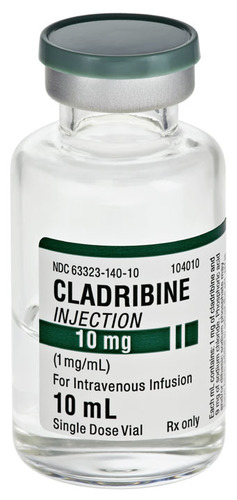
Cladribine Injection
Minimum Order Quantity : 100 Bottles
Ingredients : Other , Cladribine (active), sterile water for injection
Dosage Form : Injection
Application : Other, Antineoplastic therapy
Storage Instructions : Store at 2C to 8C (refrigerated), protect from light
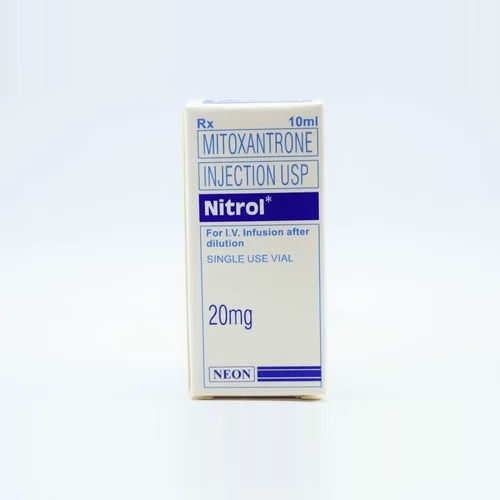
Mitoxantrone Injection
Price 500 INR / Piece
Minimum Order Quantity : as per requirement Piece
Ingredients : Other , Mitoxantrone Hydrochloride, Water for Injection, excipients
Dosage Form : Injection
Application : Other, Antineoplastic (chemotherapeutic) agent
Storage Instructions : Store below 25C. Do not freeze. Protect from light.
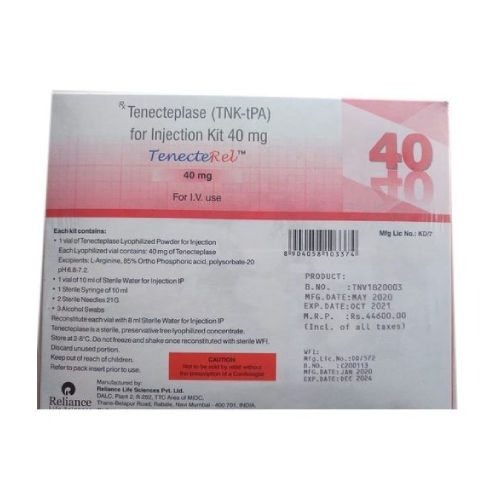
Tenecteplase Injection
Price 27000 INR / Unit
Minimum Order Quantity : as per requirement Unit
Ingredients : Other , Tenecteplase, excipients
Dosage Form : Injection
Application : Other, Hospital, clinical use for thrombolytic therapy
Storage Instructions : Store at 2C to 8C, protect from light
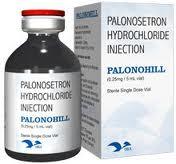
Palonosetron HCL Injections
Price 90 INR / Pack
Minimum Order Quantity : as per requirement Pack
Ingredients : Other , Palonosetron Hydrochloride, excipients
Dosage Form : Injection
Application : Other, Oncology, antiemetic therapy
Storage Instructions : Store below 25C, protect from light

&
We are accepting bulk order quantity.
Developed and Managed by Infocom Network Private Limited.

