


 Send Inquiry
Epirubicin Injections
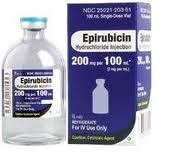

Epirubicin Injections Specification
- Origin
- Chemical
- Salt Composition
- Epirubicin Hydrochloride
- Indication
- Used in the treatment of various cancers, including breast cancer
- Dosage Form
- Injection
- Ingredients
- Epirubicin Hydrochloride, excipients
- Application
- Physical Color/Texture
- Clear red solution
- Fermentation Smell
- Odorless
- Storage Instructions
- Store between 2°C and 8°C, protect from light
- Shelf Life
- 24 months
- Container Type
- Glass vial
- Contraindications
- Hypersensitivity to Epirubicin or other anthracyclines
- Compatibility
- Do not mix with other drugs in the same syringe
- Strengths Available
- 10 mg/5 ml, 50 mg/25 ml, 100 mg/50 ml
- Usage Restrictions
- For hospital use only
- Administration Route
- Intravenous
- Prescription Status
- Prescription only
- Pack Size
- Vial
Epirubicin Injections About
Epirubicin:-
Epirubicin comes as a solution (liquid) to be injected intravenously (into a vein) by a doctor or nurse in a medical facility along with other chemotherapy medications.
Important Warning :
Epirubicin should be administered only into a vein. However, it may leak into surrounding tissue causing severe irritation or damage. Your doctor or nurse will monitor your administration site for this reaction. If you experience any of the following symptoms, call your doctor immediately: pain, itching, redness, swelling, blisters, or sores in the place where the medication was injected.
Epirubicin may cause serious or life-threatening heart problems at any time during your treatment or months to years after your treatment has ended. Your doctor will order tests before and during your treatment to see if your heart is working well enough for you to safely receive epirubicin. These tests may include an electrocardiogram (ECG; test that records the electrical activity of the heart) and an echocardiogram (test that uses sound waves to measure your heart's ability to pump blood). Your doctor may tell you that you should not receive this medication if the tests show your heart's ability to pump blood has decreased. Tell your doctor if you have or have ever had any type of heart disease or radiation (x-ray) therapy to the chest area. Tell your doctor and pharmacist if you are taking or have ever received certain cancer chemotherapy medications such as daunorubicin (Cerubidine), doxorubicin (Doxil), idarubicin (Idamycin), mitoxantrone (Novantrone), cyclophosphamide (Cytoxan), or trastuzumab . If you experience any of the following symptoms, call your doctor immediately: shortness of breath; difficulty breathing; swelling of the hands, feet, ankles or lower legs; or fast, irregular, or pounding heartbeat.
- Epirubicin may increase your risk for developing leukemia (cancer of the white blood cells), especially when it is given in high doses or together with certain other chemotherapy medications.
- Epirubicin can cause a severe decrease in the number of blood cells in your bone marrow. This may cause certain symptoms and may increase the risk that you will develop a serious infection or bleeding. If you experience any of the following symptoms, call your doctor immediately: fever, sore throat, ongoing cough and congestion, or other signs of infection; unusual bleeding or bruising.
- Epirubicin should be given only under the supervision of a doctor with experience in the use of chemotherapy medications.
- Talk to your doctor about the risk(s) of receiving epirubicin.
Effective Anticancer Therapy
Epirubicin Injection is used as a cornerstone in chemotherapy regimens, particularly for breast cancer and other malignancies. Its mechanism of action involves interfering with cancer cell DNA, ultimately stopping their growth and spread. Physicians select Epirubicin for its proven efficacy and established safety profile in the clinical management of cancer.
Safe and Controlled Administration
This medication is administered via intravenous injection by healthcare professionals in a hospital setting. It is vital to ensure Epirubicin is not mixed with other drugs in the same syringe, as this may compromise patient safety or alter the drugs effectiveness. The glass vial ensures stability, and its clear red solution form facilitates precise dosing. Prescribed administration safeguards patients from potential adverse effects.
Important Handling and Storage Guidelines
To maintain drug potency and safety, Epirubicin Injection must be refrigerated between 2C and 8C and protected from light. Hospital staff adhere to strict storage protocols, helping to preserve the injections stability for up to 24 months. Proper handling minimizes risks and ensures optimal therapeutic outcomes for patients receiving this anticancer treatment.
FAQs of Epirubicin Injections:
Q: How is Epirubicin Injection administered?
A: Epirubicin Injection is given intravenously by a qualified healthcare professional, typically in a hospital or specialized medical facility. It is essential that it is not mixed with other medications in the same syringe.Q: What types of cancers is Epirubicin Injection commonly used to treat?
A: Epirubicin Injection is primarily indicated for the treatment of various cancers, most notably breast cancer, but may also be used for other malignancies as determined by your oncologist.Q: When should Epirubicin Injection not be used?
A: This injection is contraindicated in patients who have hypersensitivity to Epirubicin, other anthracyclines, or any of the excipients. Inform your doctor about any allergies before starting treatment.Q: Where should Epirubicin Injection be stored before use?
A: The vials should be stored between 2C and 8C in a refrigerator, protected from light, and should only be handled by hospital staff according to strict protocols.Q: What is the benefit of using Epirubicin Injection in cancer treatment?
A: Epirubicin Injection is effective at halting the growth and proliferation of cancer cells, making it a valuable option in chemotherapy regimens, particularly for breast cancer.Q: What precautions should be taken during the preparation and administration of Epirubicin Injection?
A: Preparation and administration should be carried out by healthcare professionals in a hospital. It must not be mixed with other drugs in the same syringe to prevent interactions and ensure patient safety.Q: Is a prescription required for Epirubicin Injection?
A: Yes, Epirubicin Injection is a prescription-only medication and can only be administered under the supervision of a qualified healthcare provider in a hospital setting. Get Latest Price
Price:
- 50
- 100
- 200
- 250
- 500
- 1000+

More Products in Anti Cancer Injections & Vial Category
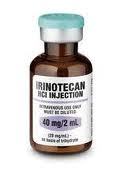
Irinotecam 40mg/2ml Injection
Price 100 INR / Box
Minimum Order Quantity : as per requirement Box
Physical Color/Texture : Other , Clear, pale yellow solution
Fermentation Smell : Other, Odorless
Origin : Pharmaceutical
Shelf Life : 24 Months
Trastuzumab Injection
Physical Color/Texture : Other , White to pale yellow lyophilized powder
Fermentation Smell : Other, Odorless
Origin : Pharmaceutical
Shelf Life : 24 months
Docetaxel 20 MG & 80 MG Injection
Physical Color/Texture : Other , Clear to pale yellow solution
Fermentation Smell : Other, Odorless
Origin : Pharmaceutical, Synthetic
Shelf Life : 24 months
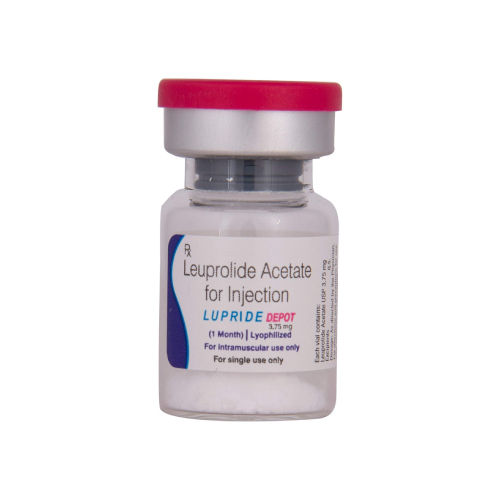
Leuprolide Acetate Injection
Physical Color/Texture : Other , Clear, colorless to pale yellow solution
Fermentation Smell : Other, Odorless or slight acetic acid odor
Origin : Pharmaceutical Manufactured
Shelf Life : 24 months

&
We are accepting bulk order quantity.
Developed and Managed by Infocom Network Private Limited.

