


 Send Inquiry
Carboplatin Injection
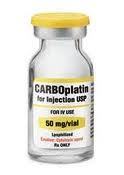

Carboplatin Injection Specification
- Dosage Form
- Injection
- Salt Composition
- Carboplatin
- Origin
- Synthetic
- Ingredients
- Carboplatin, Water for Injection
- Application
- Physical Color/Texture
- Clear, colorless solution
- Storage Instructions
- Store below 25°C, protect from light
- Shelf Life
- 24 months
- Registration Status
- Approved by drug regulatory authorities
- Compatibility
- Compatible with standard IV infusion solutions
- Concentration
- 10 mg/mL
- Route of Administration
- Intravenous
- Safety Precautions
- Cytotoxic; handle with care, use gloves
- Container Type
- Glass vial
- Pack Size
- Single vial, commonly 50 mg/5 mL or 150 mg/15 mL
- Visual Inspection
- Should be free from particulate matter
Carboplatin Injection About
Moderates their development and spread in the body. Carboplatin is utilized together with other tumor meds to treat ovarian growth. Further, this medication may likewise be utilized for different purposes not recorded in this pharmaceutical guide. Carboplatin 50 mg is an anticancer medication, which is typically given by imbuement into a vein (intravenous, iv). A generally suggested chemotherapy sedate this is delegated an alkylating operator and is utilized as a part of the treatment of ovarian tumor and different sorts of malignancy including lung, head and neck, endometrial, esophageal, bladder, bosom, and cervical. This can likewise be given intra-peritoneal, straightforwardly into the peritoneal pit in the stomach area.
General information:
The dosage of carboplatin you get relies upon numerous variables, including your tallness and weight, your general wellbeing or other medical issues, and how your body reacts to it. Your specialist will decide your dosage and timetable.
Additional information:
- Port of dispatch: mumbai
- Creation capacity: 1000
- Delivery time: 5-6 days
Indications and Uses
Carboplatin Injection is commonly indicated for the treatment of various cancers as part of chemotherapy regimens. Its formulation makes it suitable for both single-agent and combination protocols in oncology settings. The synthetic origin and USP/BP/EP compliance ensure high efficacy and quality, making it a dependable option for healthcare professionals dealing with malignant diseases.
Proper Handling and Administration
Due to its cytotoxic nature, Carboplatin Injection must be handled with great care. Use gloves and follow hospital safety protocols. The injection is administered intravenously, typically by trained personnel, and should be visually inspected to ensure it is free from particulate matter. Correct storage below 25C and protection from light will help maintain its potency throughout its 24-month shelf life.
Product Stability and Storage
For optimal stability, store Carboplatin Injection in its original glass vial, away from direct sunlight and below 25C. Ensuring these conditions are met preserves product efficacy. Its clear, colorless solution must be checked before use; any visible changes may indicate compromised quality. These storage guidelines help support safe usage for patients and healthcare facilities.
FAQs of Carboplatin Injection:
Q: How is Carboplatin Injection administered to patients?
A: Carboplatin Injection is administered intravenously by a healthcare professional, using a glass vial that is compatible with standard IV infusion solutions. The dosage and infusion rate are determined based on individual patient protocols.Q: What safety measures should be followed while handling Carboplatin Injection?
A: Because Carboplatin Injection is a cytotoxic drug, it is essential to handle it with care. Always use gloves and follow your facilitys cytotoxic handling procedures to minimize exposure and ensure safety.Q: When should Carboplatin Injection be used in cancer treatment?
A: Carboplatin Injection is typically used as part of chemotherapy protocols for various malignancies, either alone or in combination with other anticancer agents, as directed by an oncologist.Q: Where should I store Carboplatin Injection to maintain its quality?
A: Store Carboplatin Injection below 25C in a dry place, away from direct light. Always keep it in its original glass vial and check for any particulate matter before administration.Q: What is the process for visual inspection before using Carboplatin Injection?
A: Before administration, visually inspect the solution in the vial to confirm it is clear and colorless, with no signs of particulate matter or discoloration. Do not use the product if any visual anomalies are detected.Q: What are the key benefits of using Carboplatin Injection in oncology?
A: Carboplatin Injection is recognized for its antineoplastic effectiveness, reliability, and compatibility with standard IV solutions. It meets stringent quality standards (USP/BP/EP) and is approved by regulatory authorities, ensuring safe and effective cancer therapy. Get Latest Price
Price:
- 50
- 100
- 200
- 250
- 500
- 1000+

More Products in Anti Cancer Injections & Vial Category
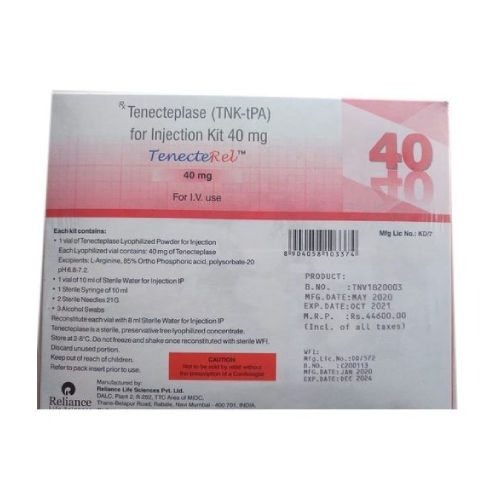
Tenecteplase Injection
Price 27000 INR / Unit
Minimum Order Quantity : as per requirement Unit
Application : Other, Hospital, clinical use for thrombolytic therapy
Origin : Biotechnological
Dosage Form : Injection
Ingredients : Other , Tenecteplase, excipients
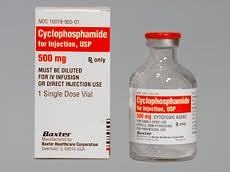
Cyclophosphamide Injections
Price 100 INR / Bottle
Minimum Order Quantity : as per requirement Bottle
Application : Other, Antineoplastic agent for intravenous administration
Origin : Pharmaceutical
Dosage Form : Injection
Ingredients : Other , Cyclophosphamide
Etoposide Injections
Application : Other, Cancer treatment
Origin : Pharmaceutical
Dosage Form : Injection
Ingredients : Other , Etoposide, solvents (e.g., polysorbate 80, ethanol, sodium chloride, citric acid, sodium citrate, benzyl alcohol, water for injection)

&
We are accepting bulk order quantity.
Developed and Managed by Infocom Network Private Limited.

