


 Send Inquiry
Zoldria Injection
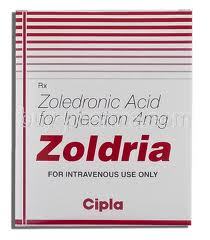

Zoldria Injection Specification
- Indication
- Hypercalcemia of malignancy, bone metastases, multiple myeloma
- Formulations Type
- Injectables
- Dosage
- 4 mg/5 ml, as directed by physician
- Storage Instructions
- Store in a cool, dry place. Protect from light.
- Product Type
- Injection
- Feature
- Lyophilized powder, ready to reconstitute and inject, single-dose vial
- Treatments & Functions
- Used to treat high blood calcium levels (hypercalcemia) that may occur with cancer, and to strengthen bones in certain types of cancer patients
- Ingredients
- Zoledronic Acid
- Suitable For
- Adults
- Use
- Hospital, Clinical, Personal
- Age Group
- Adult
- Volume
- 5 ml
- Shelf Life
- 36 Months
- Reconstitution Required
- Yes
- Route of Administration
- Intravenous (IV) use only
- Brand Name
- Zoldria
- Manufacture Date
- See package
- Packaging Type
- Vial
- Marketed Form
- Sterile Powder for Injection
- Container Material
- Glass Vial
- Manufactured By
- Cipla Ltd.
- Expiry Date
- See package
- Therapeutic Class
- Bisphosphonates
- Warning
- To be administered by a healthcare professional only
- ATC Code
- M05BA08
- Prescription/Non Prescription
- Prescription
- Special Precautions
- Renal function monitoring required prior to each dose
Zoldria Injection About
Zoldria otherwise called zoledronic acid is fabricated by cipla. It is a hostile to malignancy tranquilize utilized as a part of the treatment of disease that has spread to the bones, more often than not alongside different medications, for example, chemotherapy. It brings down the danger of breaks and other bone issues. It is additionally used to bring down high blood calcium levels in individuals who have disease in the bones. It is the non specific adaptation of zometa/aclasta.
Producer: cipla
Additional information
Dosage and administration:
Zoledronic acid is given as an infusion into a vein (intravenous, or iv) more than 15 minutes or more. The typical measurements is 4 milligrams (mg), in spite of the fact that the dosage may should be bring down in individuals with kidney issues. The planning will rely upon the reason you are getting the medication. At the point when zoledronic corrosive is utilized to treat high blood calcium levels usually given as a one-time measurements. To help treat tumors in the bones, usually given once every 3 to a month.
You will probably be given iv liquids as well as instructed to drink bounty concerning liquids while getting this medication to keep you hydrated and diminish the shot of kidney harm. Your specialist may likewise prescribe that you take a multi-vitamin (with vitamin d) and a calcium supplement every day.
Your specialist may defer or even stop this medication if your kidney work tests are unusual.
Reactions
Common:
- Fever (enduring a couple of days after the imbuement)
- Influenza like side effects (fever, chills, flushing, bone and muscle hurts) in the initial 3 days after your infusion, which may most recent possibly more than seven days
- Torment or redness at infusion site
Less common:
- Bone or joint torment
- Muscle throbs
- Runny nose
- Hack
- Queasiness/retching
- Loss of craving
- Obstruction
- Looseness of the bowels
- Shortness of breath
- Feeling bleary eyed or black out
- Feeling tired
- Urinary tract contamination
- Sickliness (low red platelet tallies) which can cause tiredness, shortness of breath
- Blood test comes about demonstrating the medication might influence your kidneys (your specialist will clarify the significance of these discoveries, assuming any.)
- Uneasiness in breathing
Uncommon :
- Low blood calcium levels (could prompt muscle torment, issues, or fits; irregular sensations on the face, hands, or feet; or seizures)
- Harm to bones in jaw
- Broken femur (thigh bone) after next to zero damage, beginning with crotch or thigh torment
- Genuine unfavorably susceptible responses
- Kidney disorder
- Inconvenience breathing, hacking, snugness in the chest
- Sporadic pulse (atrial fibrillation)
- Bone and additionally joint agony sufficiently serious to require the medication be ceased
- Eye aggravation or redness
Comprehensive Bone Care for Cancer Patients
Zoldria Injection addresses critical complications associated with cancer, such as high blood calcium levels and bone weakening. Its active ingredient, Zoledronic Acid, provides essential support to adults experiencing bone disorders related to malignancy, making it an important therapeutic choice in hospital and clinical settings.
Strict Safety and Dosage Protocols
Zoldria is available by prescription and should be administered exclusively by trained healthcare professionals. Given intravenously, the medication requires reconstitution and careful dosing, with mandatory renal function testing before each treatment to minimize risk and optimize outcomes.
Convenient and Secure Packaging
Each single-dose glass vial contains lyophilized powder, ready for reconstitution with 5 ml of sterile solution. The packaging ensures sterility and maximizes shelf life, while protecting the product from light and contamination, adhering to high medical standards.
FAQs of Zoldria Injection:
Q: How is Zoldria Injection administered?
A: Zoldria Injection is given intravenously after reconstituting the sterile powder with 5 ml of sterile water. Administration should only be performed by a qualified healthcare professional in hospital or clinical settings.Q: What conditions is Zoldria Injection commonly used to treat?
A: Zoldria is used to manage hypercalcemia of malignancy (elevated blood calcium levels due to cancer) and to strengthen bones in adults with bone metastases or multiple myeloma.Q: When should renal function be monitored with Zoldria administration?
A: Renal function must be assessed before each Zoldria dose, as impairment is a known risk. Dosing adjustments are based on test results and medical guidance.Q: Where should Zoldria Injection be stored for best stability?
A: Store Zoldria vials in a cool, dry place away from direct light. Always check the packaging for manufacture and expiry dates before use.Q: What is the process for using Zoldria Injection?
A: The lyophilized powder is reconstituted with sterile water and infused via IV by healthcare personnel. Dosage and infusion rate are determined by the physician based on individual patient needs.Q: What are the main benefits of using Zoldria Injection?
A: Zoldria helps reduce dangerously high calcium levels in the blood and reinforces bone strength in cancer patients, thus improving quality of life and preventing skeletal complications.Q: Is Zoldria Injection suitable for self-administration at home?
A: No, Zoldria should not be self-administered. It requires professional handling and monitoring and must be given in a controlled clinical environment. Get Latest Price
Price:
- 50
- 100
- 200
- 250
- 500
- 1000+

More Products in Vaccine And Injections Category
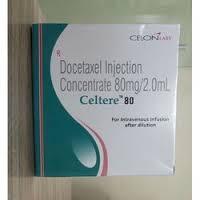
Celtere 80 mg Injection
Price 300 INR / Box
Minimum Order Quantity : as per requirement Box
Volume : 80 mg/vial
Age Group : Other, Adult
Shelf Life : 2 Years
Treatments & Functions : Other, Anti Cancer
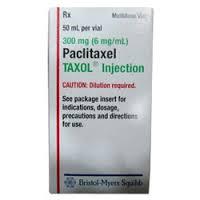
Taxol Injection
Price 2000 INR / Box
Minimum Order Quantity : as per requirement , , Box
Volume : 5 ml / 16.7 ml / 50 ml (varies with strength)
Age Group : Other, Adult
Shelf Life : 2 Years
Treatments & Functions : Other, AntiCancer, Antineoplastic
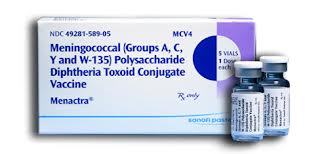
Menactra Meningococcal Polysaccharide Vaccine
Volume : 0.5 ml per dose
Age Group : Other, 2 years to 55 years
Shelf Life : 24 months
Treatments & Functions : Other, Active immunization against meningococcal diseases
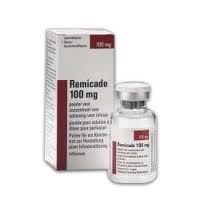
Remicade 100 Mg Injection
Volume : 100 mg per vial
Age Group : Other, Adults and children (6 years and older depending on the condition being treated)
Shelf Life : Refer to the packaging for exact expiration date; typically stable for 2 years if stored properly
Treatments & Functions : Other, Used to treat autoimmune conditions such as rheumatoid arthritis Crohns disease and ulcerative colitis by reducing inflammation

&
We are accepting bulk order quantity.
Developed and Managed by Infocom Network Private Limited.

